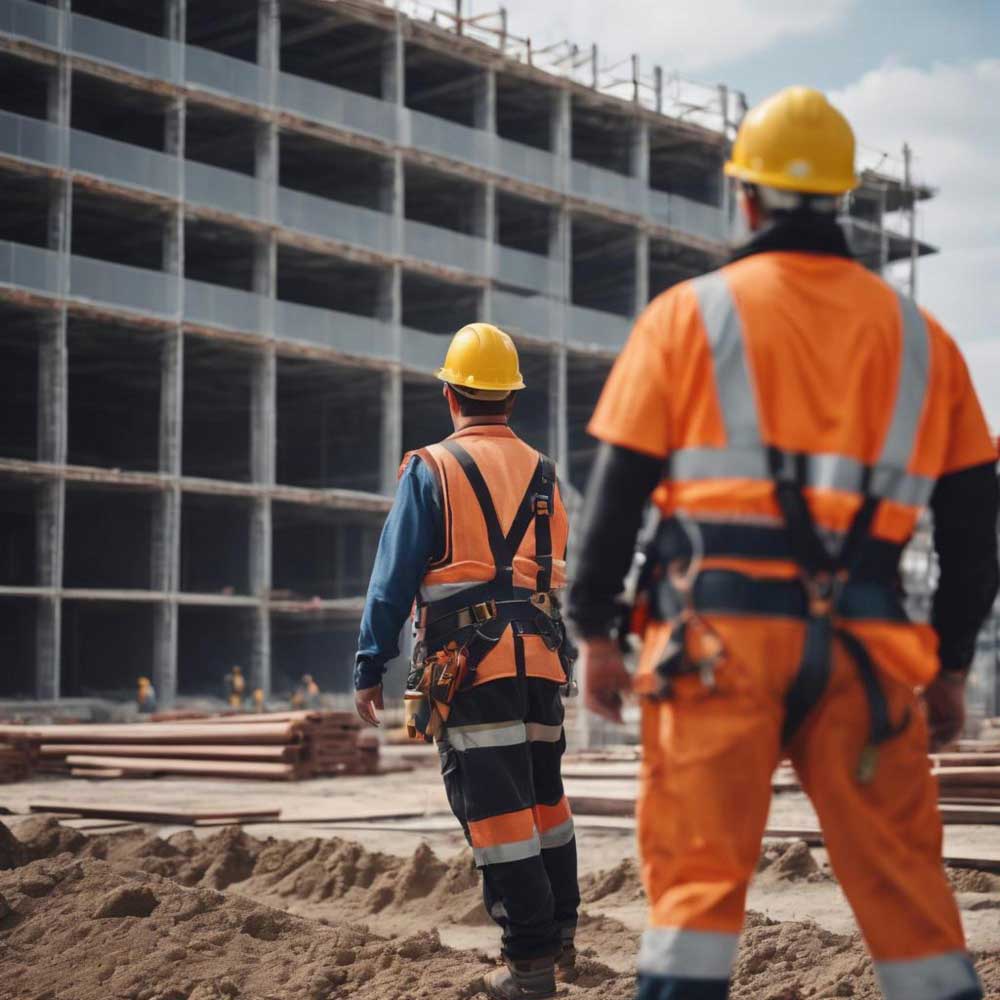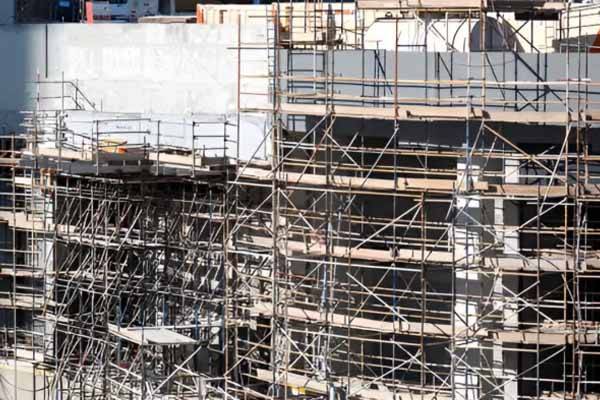
High-rise construction is a remarkable achievement in modern engineering that changes city skylines. However, the hidden forces affecting these buildings, such as wind, seismic activity and soil conditions, create a constant challenge for developers. At the heart of The High-Rise Challenge, Managing Wind and Weight in Formwork Design, every floor added increases the complexity of the load-bearing requirements. As a building climbs higher, the lateral forces exerted by wind become significantly more volatile, requiring a support system that is both incredibly rigid and light enough to be cycled quickly. Achieving this balance is the primary objective for any team aiming to deliver a skyscraper safely and on schedule.
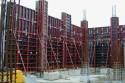
The strength of a tall tower starts with the vertical elements that transfer the heavy weight to the foundation. Even a small mistake at the base can cause major problems hundreds of feet above, such as structural instability or failure of the entire tower. High-rise projects often use self-climbing or crane-lifted systems. These systems let workers create the vertical supports with high consistency. When choosing these systems, planners focus on high-pressure resistance to cope with the quick pouring of concrete needed for a rapid construction pace.
The planning process requires the resolution of multiple technical elements, which enable vertical development to proceed through its various stages.
The building's structural framework depends on vertical columns, which create its main support system, while the building's horizontal elements create functional work areas which introduce unique operational challenges. The architectural designs of contemporary buildings require a flexible Slab Formwork solution, which companies like Winntus Formwork Private Limited provide to accommodate their different thicknesses and architectural requirements. Slab Formwork is a temporary structure used to support concrete until it hardens. The systems need to be designed for two types of loads, which include concrete weight and the operational loads from equipment and workers above.
The high-rise construction project requires specialized knowledge about shoring processes to successfully control its weight management challenges. A sequence of supports must be established throughout multiple lower levels because the weight from the floor above needs to be distributed across these levels. The stacking process creates a lot of weight that engineers must monitor through their structural assessments. The shoring systems maintain their structural integrity during the curing process because precision-engineered components support their design requirements.
The materials themselves counterbalance the building's mechanical weight, but the environment on the 50th floor behaves completely differently from that at ground level.
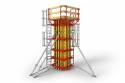
The evolution of technology has moved toward modularity and automation. For the vertical structures, utilizing high-quality Column Formwork like Winntus Formwork Private Limited has revolutionized the industry by allowing for high-pressure casting that stays true to the architectural blueprint even under harsh conditions. The system needs to operate without human assistance because it must maintain accuracy during periods of strong winds.
The success of a high-rise project depends on how well architectural design combines with the actual equipment used to bring that design to life. Construction teams can achieve new building limits because they use state-of-the-art engineering methods together with their top-quality construction materials, which include advanced steel props and acrow props that enhance structural integrity and support during the building process. It functions as a visual landmark while establishing itself as a safe and structurally sound construction that will resist natural disasters for many years.
Undertaking a good maintenance program on construc...
In the fast-paced world of building and infrastruc...
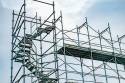
Have you ever walked past a huge building under co...
The integrity of any major construction site depen...
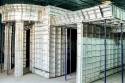
The construction world is moving away from the slo...
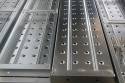
The proper selection of Scaffold Planks goes a lon...
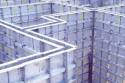
In a relatively short amount of time, Aluminium Fo...
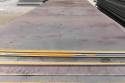
Theâ€...
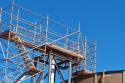
Every...
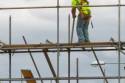
Safety is the backbone of every successful project...
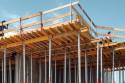
An immaculate concrete surface starts its journey ...
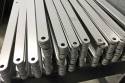
When it comes to construction and fabrication proj...
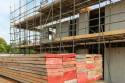
Construction and maintenance at heights are fraugh...
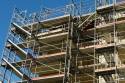
Construction sites are busy, high-risk environment...
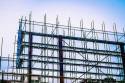
The construction industry thrives on time and safe...
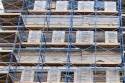
Modern construction sites, especially those that d...
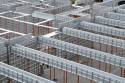
Construction has historically grappled with costs ...
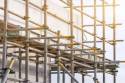
In construction, refurbishments, and major repairs...

The stability of every scaffold structure solves t...
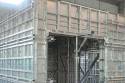
In the fast paced modern construction world, contr...
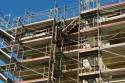
In a metropolitan city like Gurgaon, where constru...
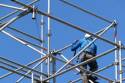
Scaffolding is one of the most basic and indispens...
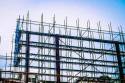
Construction cost management is very important for...
A reassessment of formwork reveals its vital role ...
The building business is always updating, with nov...
The construction industry requires the right formw...
The construction industry is dynamic and ever-chan...
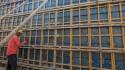
Scaffolding accessories are essential components i...

Scaffolding forms the very base of any constructio...
Maintenance is an important factor in quality assu...
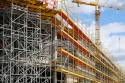
Construction projects require robust and reliable ...

In the construction industry selecting the right m...
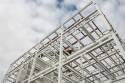
In the fast-paced world of construction, sustainab...
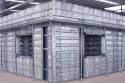
In the modern era, there are multiple methods and ...
Scaffolding is a term usually used for the scaffol...
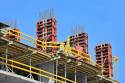
The construction sites involve multiple works and ...