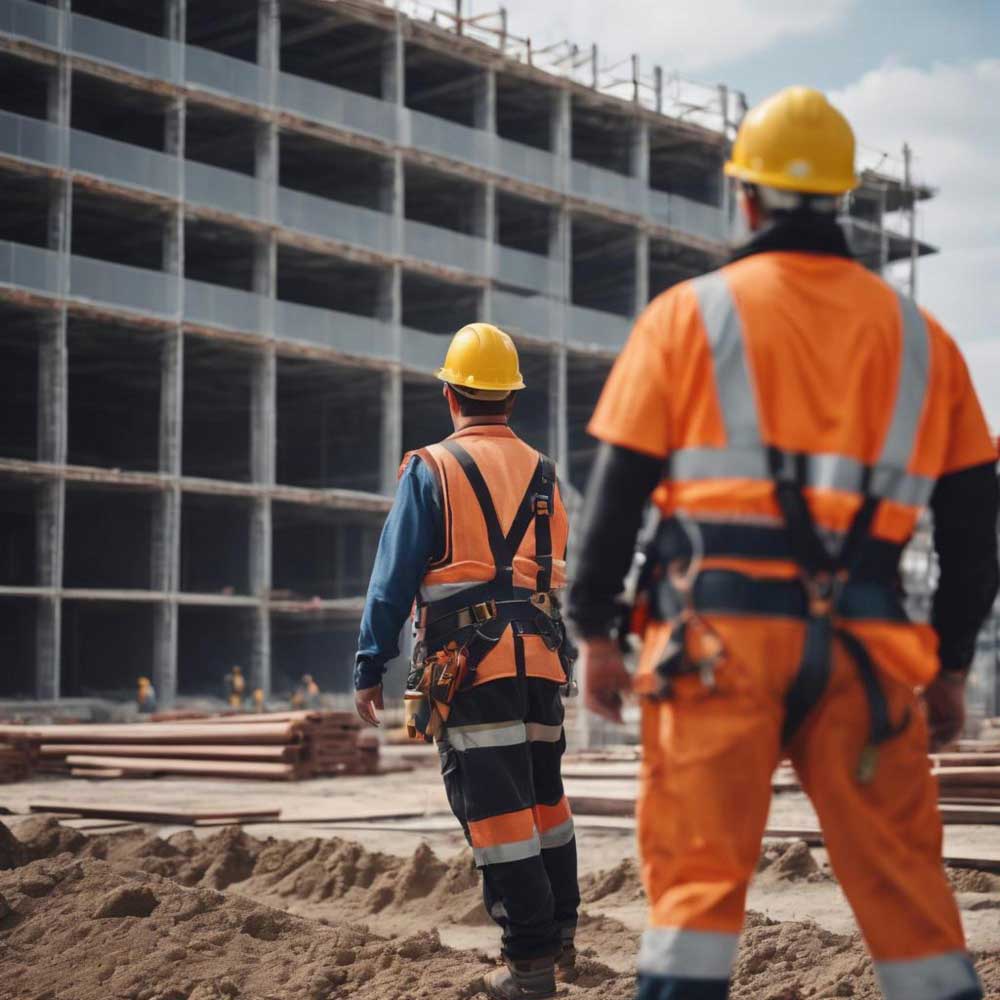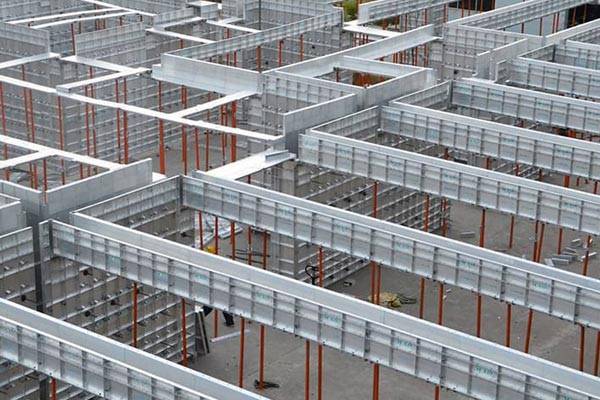
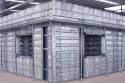
Construction has historically grappled with costs versus productivity on sites. Expenditure is affected by various factors, with excessive man-hours spent on traditional formwork systems being a significant challenge. The general trend is toward possible new innovative ways of doing things, Aluminium Formwork in particular being embraced greatly by developers to resolve time and cost-related inefficiencies. This is truly a futuristic approach in shaping, assembling, and eventually finishing a concrete structure for it to be a case in point of reducing demands on labour.
Another reason why aluminium systems are fast-moving in popularity is because of their light weight and speed of assembly. Unlike timber or steel systems, they do not require skilled handling or several steps to be put together; instead, they are designed to be quickly joined together with one another. This reduces the complexity of logistical construction and reduces the time needed to set up and take down formwork in the process and allowing crews to move swiftly through the project timeline. Less time on formwork means a decrease in total labour expenses for the duration of the entire build cycle.
Internal structure of their aluminium panels permits major reuse and repetition without altering the shape or loss of strength. As opposed to plastic types that do become compromised after a few repetitions, these systems endure through dozens—sometimes, even hundreds—of repetitions. With extensive usability comes less material replacement and, far more significantly, less labor required for fabrication or preparation on future jobs. Return on investment grows massively for developers with multiple projects or very large-scale builds.
In fact, compared to the traditional forms that require expert carpenters or seasoned technicians, the aluminum systems usually carry standard prefabricated components that are manageable. It cuts reliance on high-cost skilled workers and adjusts to the possibility of using semi-skilled labor with minimum training. Moreover, the modern Aluminium Formwork Accessories from Winntus Formwork Private Limited are being made intuitive and generally color-coded to match and easy to line up, thus making the entire construction process much easier for general workers, hence lessening the scope for human error.
Aluminum systems are able to manufacture accuracy tolerances much tighter and finishes much cleaner, which need less surface plaster or massive post-casting adjustments. Lesser reworking directly translates to reduced units of man-hours for correction and finishing of surfaces, allowing labor to be redirected towards other value-generating activities. And, with constant casting dimensions, site supervision isn't needed to the same extent as before, allowing supervisors to be allocated to more pressing matters.
Lighter materials and ergonomically designed construction will create a safe and less physically challenging working environment. This reduces the incidence of fatigue or injury among workers, thus enhancing productivity and decreasing the costs resulting from accidents and downtime. Healthier and safer conditions improve the morale of the workforce, which contributes positively to overall project momentum.
Formwork systems design is, in some instances, mixed with newer initiatives such as the Monolithic Formwork System that allows walls, slabs, beams, and stairs to be cast in a single pour, thereby reducing the lack of cycles for the finalization of these projects. Streamlining the structure into a single pour does not require further processing of the construction into several stages of labor-intensive work. The time and deployment hours saved would be significant, especially in mass housing schemes or high-rise commercial ones.
Aluminium systems are modular, and that is their main advantage in large-scale developments. As the size of development increases, so too will the complexities of both logistics and coordination. The modern formwork components are adaptable and repeatable, ensuring that workflows can be replicated across a number of structures quickly, therefore minimizing additional incremental labor required as construction grows. This becomes especially advantageous in residential towers or mass housing projects where floor plans are duplicated across units.
Innovative formwork systems are the ideal alternatives for taming labor costs without sacrificing quality or speed, as they streamline work, lower errors and reduce dependency on high-skill labor. They are revolutionizing planning and executing construction projects. As the industry progresses, it will not just be an option; becoming efficient in the tools and systems used will be a requisite in order to remain competitive in the cost-effective construction market.
High-rise construction is a remarkable achievement...
Undertaking a good maintenance program on construc...
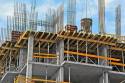
In the fast-paced world of building and infrastruc...
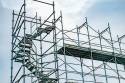
Have you ever walked past a huge building under co...
The integrity of any major construction site depen...
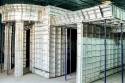
The construction world is moving away from the slo...
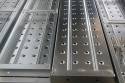
The proper selection of Scaffold Planks goes a lon...

In a relatively short amount of time, Aluminium Fo...
Theâ€...

Every...

Safety is the backbone of every successful project...

An immaculate concrete surface starts its journey ...
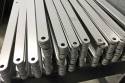
When it comes to construction and fabrication proj...
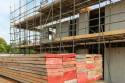
Construction and maintenance at heights are fraugh...
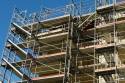
Construction sites are busy, high-risk environment...
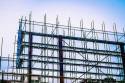
The construction industry thrives on time and safe...
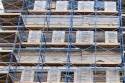
Modern construction sites, especially those that d...

In construction, refurbishments, and major repairs...

The stability of every scaffold structure solves t...
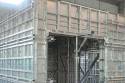
In the fast paced modern construction world, contr...

In a metropolitan city like Gurgaon, where constru...

Scaffolding is one of the most basic and indispens...
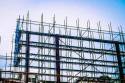
Construction cost management is very important for...
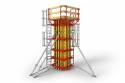
A reassessment of formwork reveals its vital role ...

The building business is always updating, with nov...
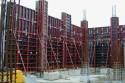
The construction industry requires the right formw...
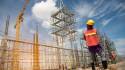
The construction industry is dynamic and ever-chan...

Scaffolding accessories are essential components i...

Scaffolding forms the very base of any constructio...

Maintenance is an important factor in quality assu...
Construction projects require robust and reliable ...

In the construction industry selecting the right m...

In the fast-paced world of construction, sustainab...
In the modern era, there are multiple methods and ...

Scaffolding is a term usually used for the scaffol...
The construction sites involve multiple works and ...