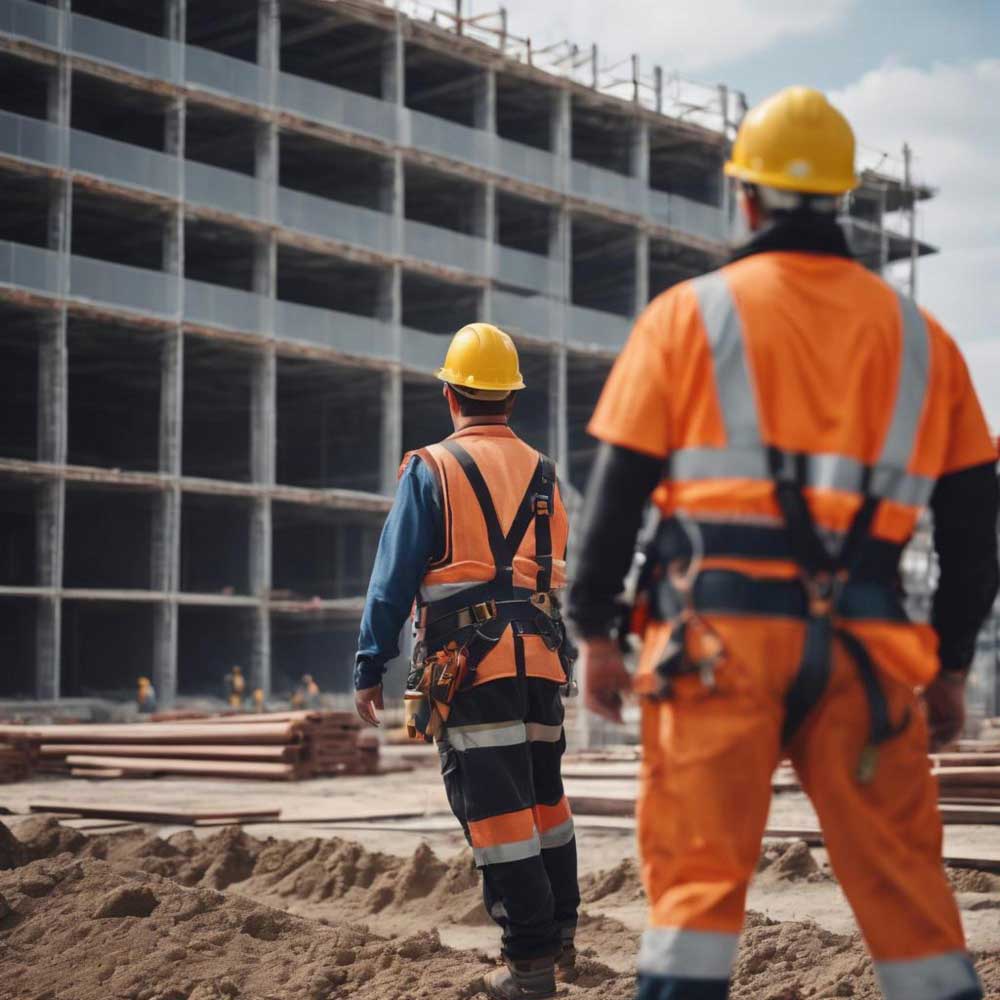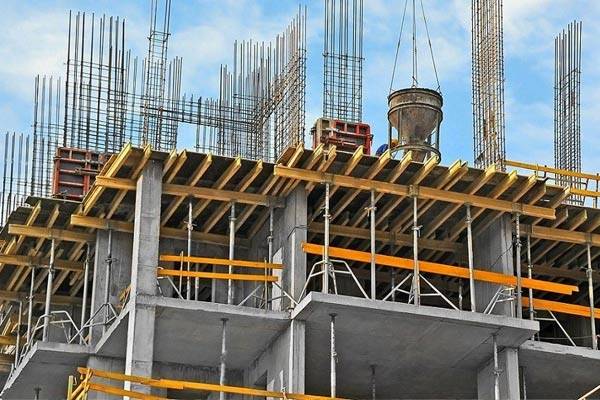
In the fast-paced world of building and infrastructure, time is quite literally money. Every day a crane sits idle or a crew waits for concrete to cure is a day that eats into the profit margins of a project. While many people focus on the final finishes or the architectural design, the real magic happens in the temporary structures used to shape the building. Choosing the right Formwork can be the difference between a project that finishes ahead of schedule and one that becomes a financial nightmare. The logic is simple: if you can move faster without sacrificing safety or quality, you win. Modern engineering has transformed how we pour concrete, moving away from wasteful, one-time-use materials toward sophisticated, reusable systems that behave like high-tech LEGO sets.
One of the biggest drains on a construction budget is labor. Traditional methods require skilled carpenters to measure, cut, and nail timber together for weeks on end. However, modern systems are designed for rapid assembly. Because the parts are prefabricated, workers can lock them into place in a fraction of the time. This speed doesn't just lower the hourly labor cost; it allows the entire project to move to the next phase sooner, reducing the "carrying costs" of the site.
When you are working on multi-story buildings, the horizontal surfaces are where you spend the most time. Utilizing a dedicated Slab Formwork system from Winntus Formwork Private Limited changes the game entirely. These systems often come with "early stripping" features, which allow the main panels to be removed and moved to the next floor while the support props stay in place. This means you don't have to wait for the concrete to reach 100% strength before you start the next level. This cycle can shave months off a high-rise schedule, drastically cutting down on equipment rental fees and labor hours.
It is a common mistake to think that the cheapest material up-front is the best for the budget. In reality, the "total cost of ownership" is what matters. A high-quality system might cost more on day one, but if it can be reused 100 times instead of 5 times, the cost per use drops to almost nothing.
Following these points, it is clear that the quality of the finish is directly tied to the mold. When the mold is perfect, the wall or floor comes out smooth and level the first time. This eliminates the "rework" phase, which is one of the most expensive parts of any construction job.
Walls are another area where time can slip through your fingers. If a wall is poured slightly crooked, it affects everything from the plumbing to the windows. This is why using a professional Wall Formwork setup is so critical. These large-scale panels can be lifted by crane and positioned in minutes. Because they are rigid and designed to handle immense pressure, they don't bulge or warp. This structural integrity ensures that every vertical element is perfectly plumb, saving the finishing teams from having to correct mistakes with thick layers of expensive mortar.
In the modern market, disposing of construction waste is becoming incredibly expensive. Old-fashioned timber molds often end up in landfills after a single use, leading to high disposal fees and a large carbon footprint. By using modular systems, a company virtually eliminates this waste. The ability to pack up the equipment and move it to the next job site is a massive financial advantage that traditional methods simply cannot match.
The reason these molding systems are so effective is that they treat the pouring of concrete as a repeatable industrial process rather than a craft. When you remove the guesswork, you remove the errors. This level of consistency is what allows large developers to predict their completion dates with such accuracy. High-grade molding gives a level of reliability that makes the entire construction site run like a well-oiled machine.
Ultimately, the decision to invest in the right molding strategy is about looking at the big picture. By choosing systems that prioritize reuse, speed, and precision, builders can significantly lower their overhead and finish their work faster. Whether it is the way a horizontal deck is supported or how a vertical wall is braced, the right tools turn a chaotic job site into a streamlined production line. In an industry where margins are thin, that efficiency isn't just a bonus—it's a necessity for survival.
High-rise construction is a remarkable achievement...
Undertaking a good maintenance program on construc...
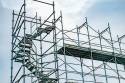
Have you ever walked past a huge building under co...
The integrity of any major construction site depen...
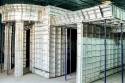
The construction world is moving away from the slo...
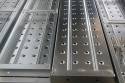
The proper selection of Scaffold Planks goes a lon...
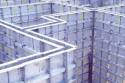
In a relatively short amount of time, Aluminium Fo...
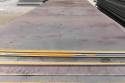
Theâ€...
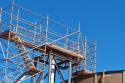
Every...

Safety is the backbone of every successful project...
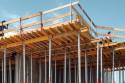
An immaculate concrete surface starts its journey ...
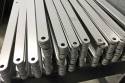
When it comes to construction and fabrication proj...
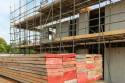
Construction and maintenance at heights are fraugh...
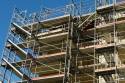
Construction sites are busy, high-risk environment...
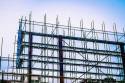
The construction industry thrives on time and safe...
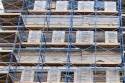
Modern construction sites, especially those that d...
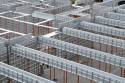
Construction has historically grappled with costs ...
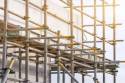
In construction, refurbishments, and major repairs...

The stability of every scaffold structure solves t...
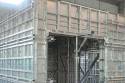
In the fast paced modern construction world, contr...
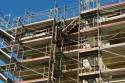
In a metropolitan city like Gurgaon, where constru...
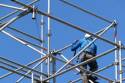
Scaffolding is one of the most basic and indispens...
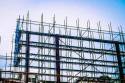
Construction cost management is very important for...
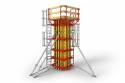
A reassessment of formwork reveals its vital role ...
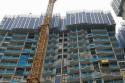
The building business is always updating, with nov...
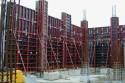
The construction industry requires the right formw...
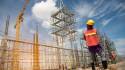
The construction industry is dynamic and ever-chan...
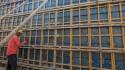
Scaffolding accessories are essential components i...

Scaffolding forms the very base of any constructio...

Maintenance is an important factor in quality assu...
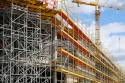
Construction projects require robust and reliable ...

In the construction industry selecting the right m...
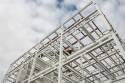
In the fast-paced world of construction, sustainab...
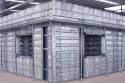
In the modern era, there are multiple methods and ...

Scaffolding is a term usually used for the scaffol...
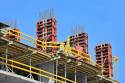
The construction sites involve multiple works and ...